Komodo National Park Guide: Complete Travel Information by Kompass Komodo

komodo-national-park

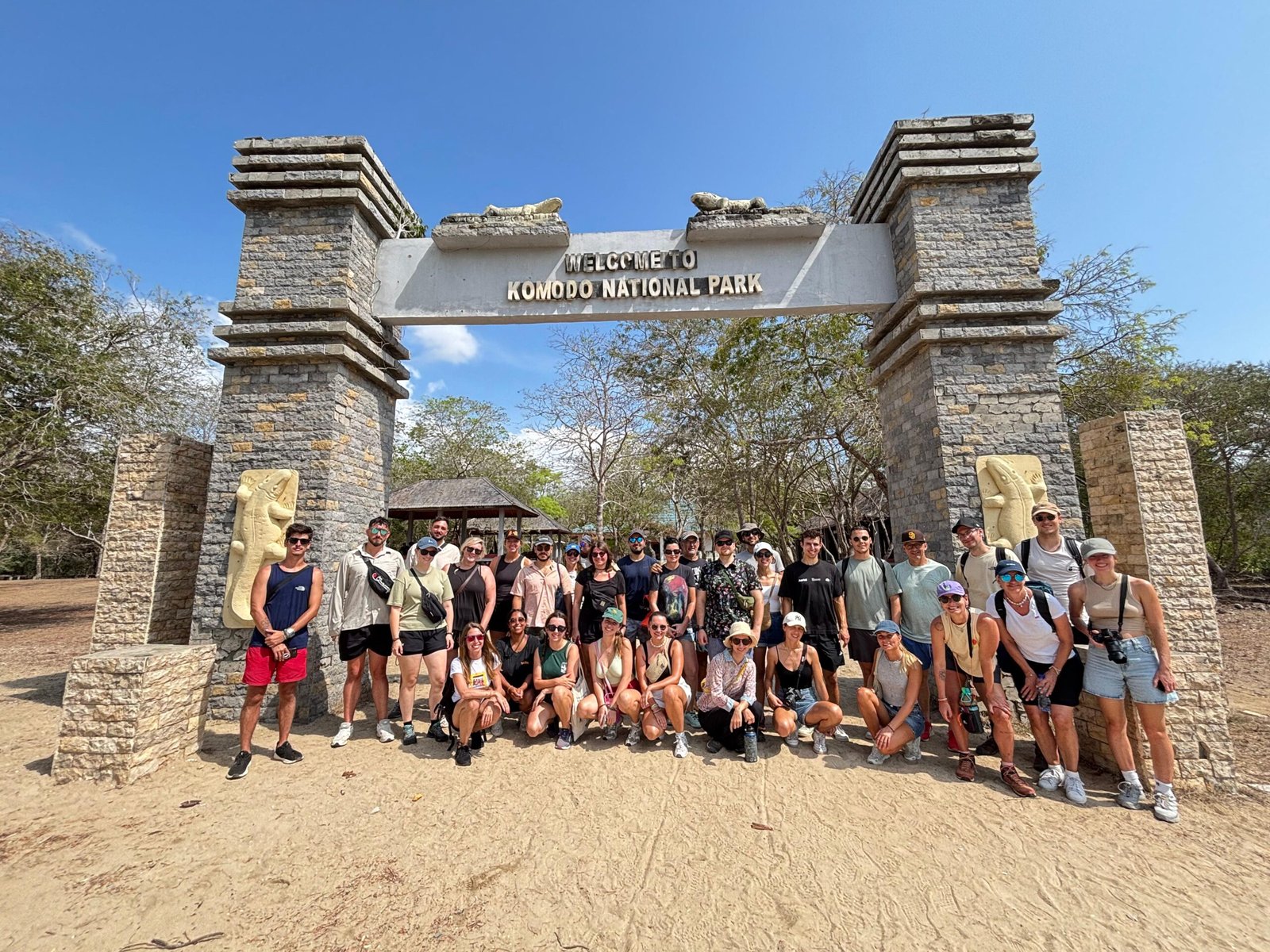
Komodo National Park is one of Indonesia’s most extraordinary natural treasures. Recognized as a UNESCO World Heritage Site, this protected archipelago combines prehistoric wildlife, dramatic island landscapes, and one of the richest marine ecosystems on Earth.

At Kompass Komodo, we help travelers experience Komodo National Park responsibly, safely, and with deep local expertise. This complete guide covers everything you need to know before visiting Komodo, from location and history to regulations, activities, and travel tips.

Where Is Komodo National Park Located?

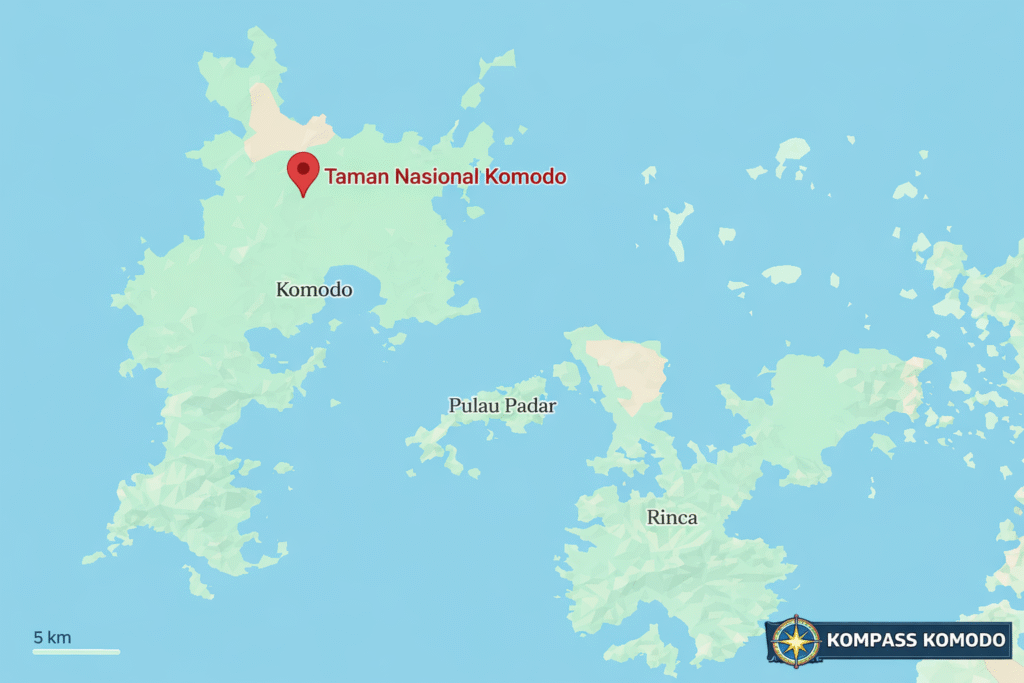
Komodo National Park is located in eastern Indonesia, within the Lesser Sunda Islands chain, between Flores Island and Sumbawa Island. The main gateway to the park is Labuan Bajo, a coastal town in West Flores that serves as the primary departure point for tours and liveaboard cruises.

Main Islands Inside Komodo National Park

The park consists of several major islands and dozens of smaller islets:

  • Komodo Island

  • Rinca Island

  • Padar Island

  • Gili Lawa Islands

  • Kanawa Island

  • Extensive protected marine zones

The total protected area covers more than 219,000 hectares, including both land and ocean ecosystems.

History of Komodo National Park

Komodo National Park was officially established in 1980 with the initial goal of protecting the endangered Komodo dragon population. Over time, conservation research revealed the park’s immense marine biodiversity, leading to expanded protection efforts.

In 1991, the park was designated as a UNESCO World Heritage Site, recognizing its global ecological importance and exceptional natural beauty.

Today, the park is managed by Indonesia’s conservation authority with a strong focus on sustainability, biodiversity protection, and controlled tourism development.

Why Komodo National Park Is Famous Worldwide

Komodo National Park is internationally recognized for several unique characteristics that make it one of Southeast Asia’s top destinations.

Home of the Komodo Dragon

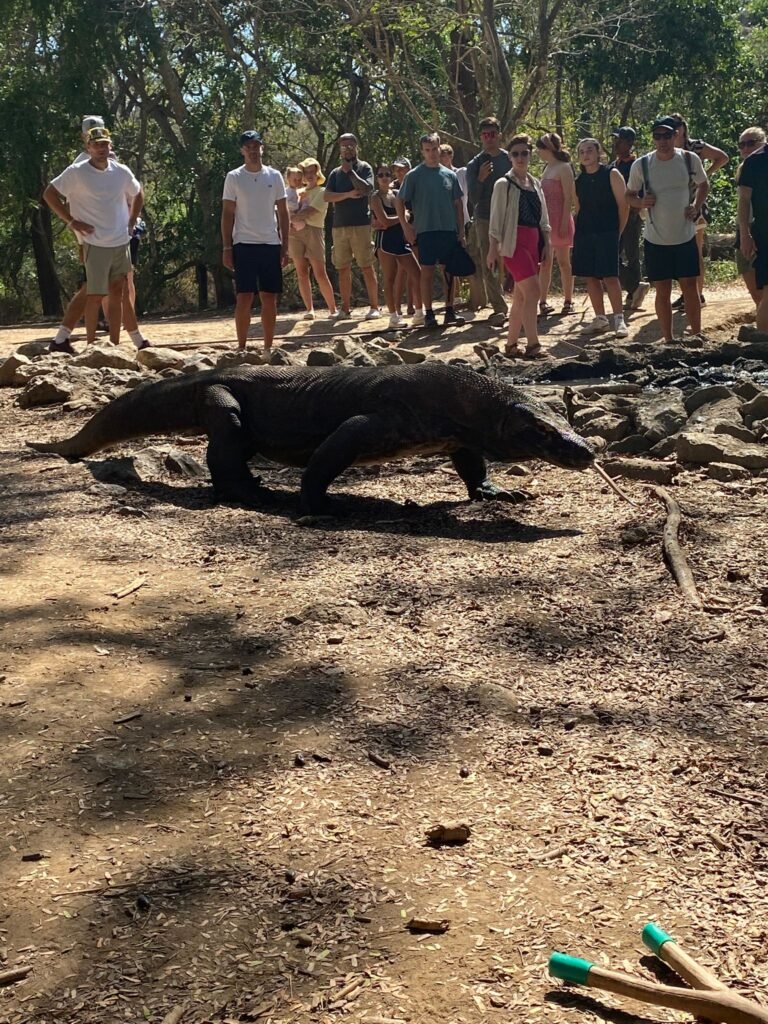
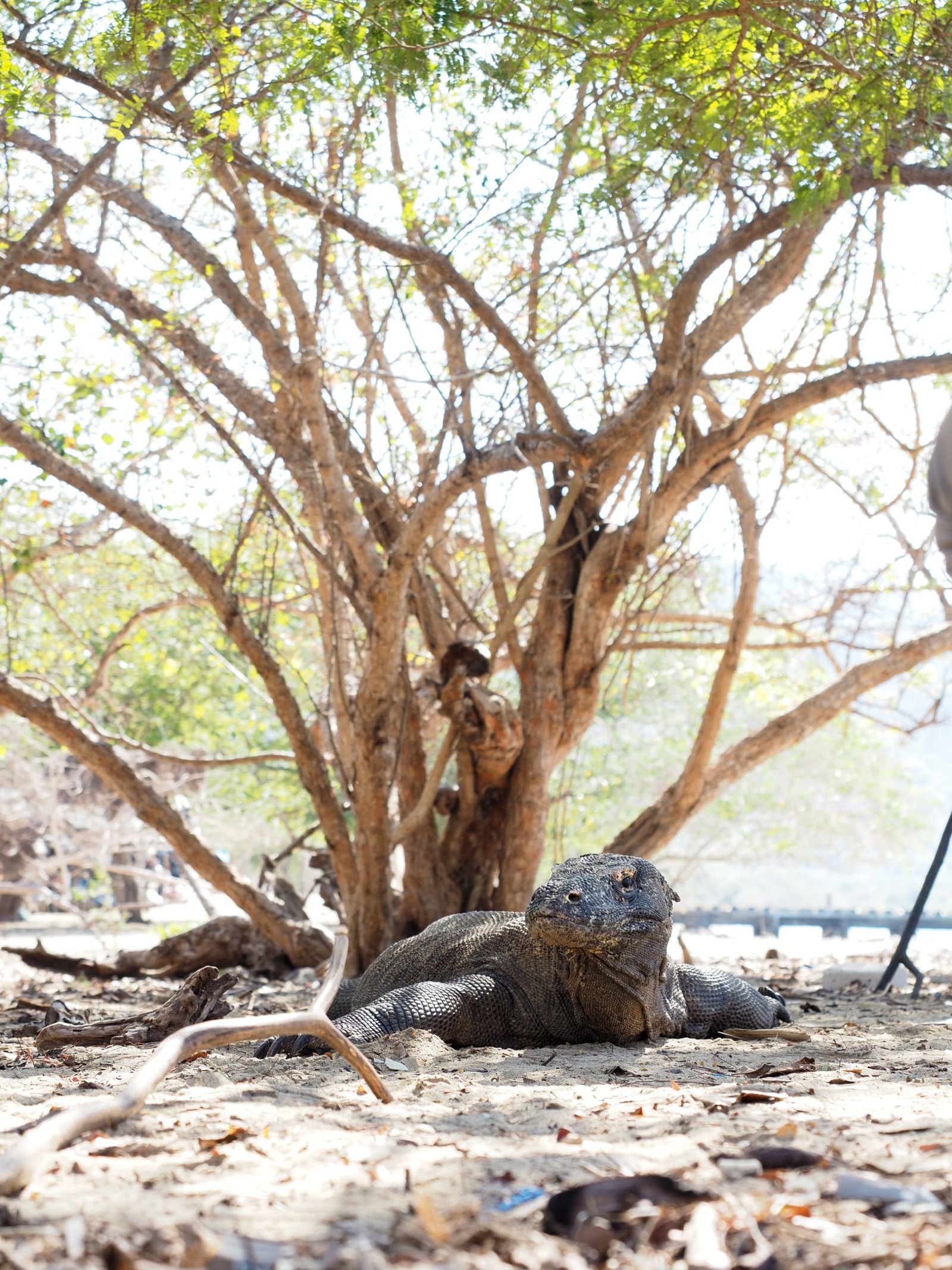
The Komodo dragon is the largest living lizard species on Earth and can only be found naturally in this region. Visitors can safely observe these prehistoric reptiles during guided ranger treks on Komodo and Rinca Islands.

One of the World’s Best Marine Biodiversity Zones

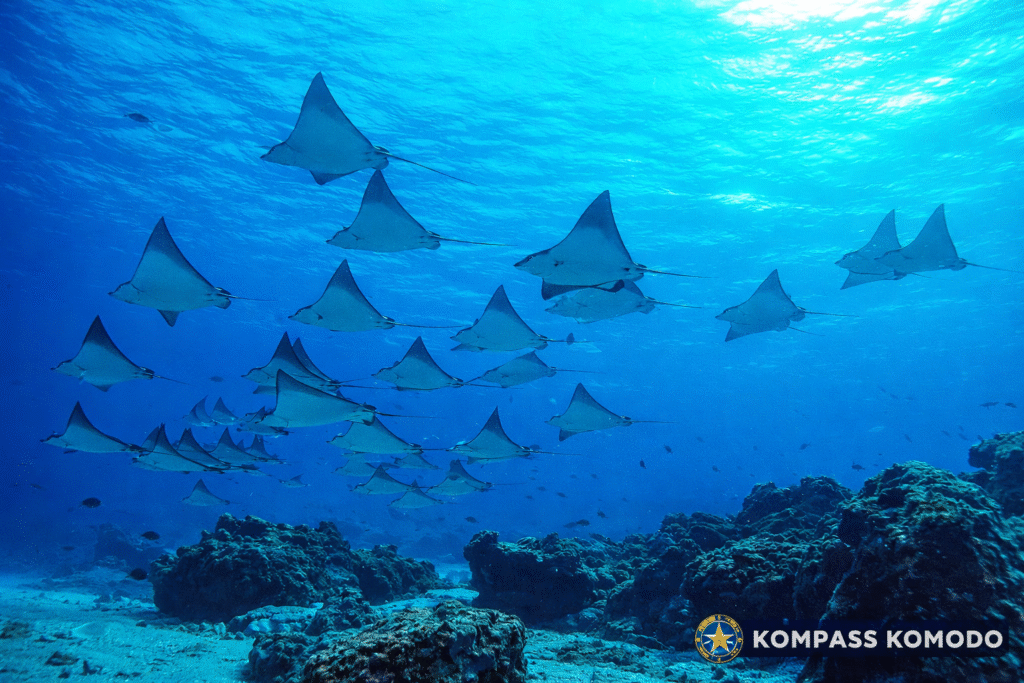
Komodo waters are part of the Coral Triangle, known as the global center of marine biodiversity. The park offers:

  • Healthy coral reefs

  • Manta ray encounters

  • Sea turtles and reef sharks

  • Tropical fish diversity

  • Crystal-clear snorkeling sites


Komodo Dragon

One of the World’s Best Marine Biodiversity Zones

Komodo waters are part of the Coral Triangle, known as the global center of marine biodiversity. The park offers:

  • Healthy coral reefs

  • Manta ray encounters

  • Sea turtles and reef sharks

  • Tropical fish diversity

  • Crystal-clear snorkeling sites

Manta point komodo

Iconic Landscape and Viewpoints

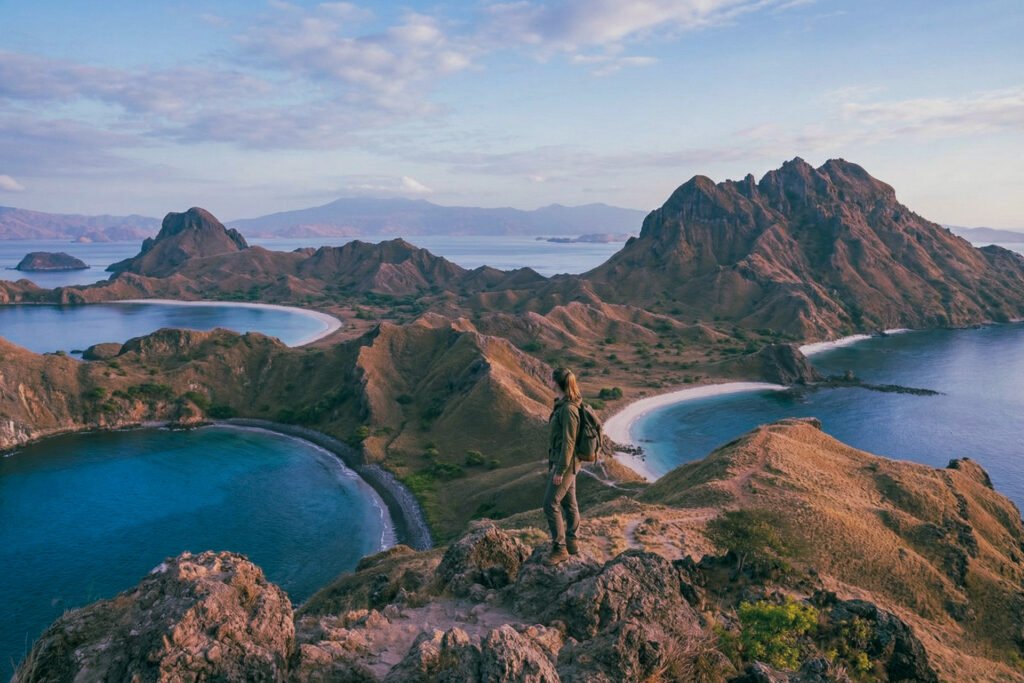
Padar Island has become one of Indonesia’s most photographed viewpoints. Its panoramic hilltop view showcases curved bays, dramatic coastlines, and multi-colored beaches.

Padar Island

What to Do in Komodo National Park

Komodo National Park offers a wide range of adventure and nature-based activities suitable for all traveler types.

Trekking and Wildlife Observation

Visitors can join ranger-guided treks on Komodo and Rinca Islands to observe Komodo dragons and other native wildlife such as deer, wild boar, and bird species.

Padar Island trekking is popular for panoramic photography and sunrise or sunset hikes.

Snorkeling and Diving Experiences

Komodo is considered one of Asia’s best snorkeling and diving destinations. Popular activities include:

  • Coral reef snorkeling

  • Swimming with manta rays

  • Drift diving along underwater channels

  • Macro and wide-angle underwater photography

Beach Exploration and Island Hopping

Pink Beach is one of the most unique beaches in Indonesia, known for its pink-tinted sand and turquoise waters. Island hopping tours allow visitors to explore hidden bays, small islands, and pristine beaches.

Why Komodo National Park Is a Favorite Tourist Destination

Komodo National Park continues to grow in popularity because it offers a rare combination of experiences:

  • Unique endemic wildlife

  • Premium liveaboard cruises

  • Diverse adventure activities

  • World Heritage recognition

  • Well-developed tourism access via Labuan Bajo

  • Strong safety and conservation management

This makes Komodo ideal for both luxury travelers and adventure seekers.

Rules and Regulations in Komodo National Park

To protect wildlife and visitors, Komodo National Park enforces strict regulations.

Ranger-Guided Visits

All trekking activities on Komodo and Rinca Islands must be accompanied by authorized park rangers. Independent trekking is not allowed.

Wildlife Safety Rules

Visitors must:

  • Keep safe distance from Komodo dragons

  • Follow ranger instructions

  • Stay on designated trails

  • Never feed or approach wildlife

Visitor Capacity Management

Some islands operate under daily visitor limits and time-slot systems to reduce environmental pressure and ensure sustainable tourism.

Entrance Fees and Permits

Entrance fees and activity permits may vary depending on visitor category, season, and activity type. Official ticketing is processed through authorized counters in Labuan Bajo or licensed tour operators.

How to Visit Komodo National Park

Step 1: Travel to Labuan Bajo

Most travelers arrive by flight to Komodo International Airport (LBJ) in Labuan Bajo. Flights are available from Bali, Jakarta, Surabaya, and other major cities.

Step 2: Choose Your Tour Type

Kompass Komodo offers several travel options:

  • One-day speedboat tours

  • Multi-day phinisi cruises

  • Private charter trips

  • Diving expeditions

  • Lombok to Labuan Bajo sailing routes

Step 3: Start Your Komodo Adventure

Tours depart from Labuan Bajo harbor or selected departure ports depending on itinerary design.

Best Time to Visit Komodo National Park

Komodo National Park can be visited throughout the year, but weather and sea conditions vary by season.

Best Season Considerations

Travelers should consider:

  • Calm sea conditions for smooth sailing

  • Underwater visibility for snorkeling and diving

  • Crowd levels

  • Wildlife activity cycles

The dry season generally offers more stable weather, while shoulder seasons provide fewer tourists and strong marine life encounters.

Responsible Tourism in Komodo National Park

Sustainable tourism is essential for protecting Komodo’s fragile ecosystem.

Visitors are encouraged to:

  • Use reef-safe sunscreen

  • Avoid touching coral or marine animals

  • Reduce plastic waste

  • Respect park regulations

  • Support licensed tour operators

  • Follow local cultural guidelines

At Kompass Komodo, we actively promote eco-conscious travel practices.

Travel Preparation Checklist

Before visiting Komodo National Park, prepare:

  • Lightweight outdoor clothing

  • Comfortable hiking shoes

  • Sun protection gear

  • Motion sickness medication

  • Waterproof dry bag

  • Camera equipment

  • Travel insurance

Why Choose Kompass Komodo for Your Trip

Kompass Komodo is a professional travel coordination platform specializing in Komodo routes from Lombok and Labuan Bajo.

We provide:

  • Verified tour operators

  • Transparent pricing

  • Safety-focused itineraries

  • Multilingual support

  • Local expertise

  • Real-time customer assistance

Our mission is to guide travelers toward the best Komodo experience with clarity, professionalism, and responsibility.

Final Thoughts

Komodo National Park is more than a destination — it is a living natural legacy of Indonesia. From prehistoric dragons to coral-rich seas and dramatic island landscapes, Komodo offers one of the most complete adventure travel experiences in Southeast Asia.

With Kompass Komodo, your journey becomes more than sightseeing. It becomes a meaningful exploration of one of the world’s most extraordinary natural wonders.

One Response

  1. Nice post. I was checking constantly this blog and I’m inspired! Very useful information particularly the last section 🙂 I care for such info much. I was looking for this certain information for a very long time. Thank you and good luck.

Leave a Reply

Your email address will not be published. Required fields are marked *

Related Blog & Article