New Entry Rules in 2026: Is Komodo National Park Limited to 1,000 Visitors Per Day, and Padar Only 50?
Is Komodo National Park Limited to 1,000 Visitors Per Day, and Padar Only 50? Home Over the past few weeks,...
Many travelers planning a trip to Komodo National Park ask an important but often overlooked question:
Are Komodo guides trained for emergencies?
For visitors—especially those traveling from Europe—safety standards, emergency preparedness, and professional guiding are critical factors before booking a tour. Komodo Island is remote, home to wild Komodo dragons, and far from advanced medical facilities, so understanding how emergencies are handled is essential.
This article explains how guides and rangers in Komodo National Park are trained, what kind of emergencies can happen, and what travelers should realistically expect.
Before discussing training, it’s important to understand that there are different types of guides involved in Komodo tours.
Rangers are government-appointed officers who must accompany visitors during trekking activities on Komodo Island and Rinca Island. Their presence is mandatory and regulated by the national park authority.
These guides work for tour operators in Labuan Bajo. They accompany guests during boat trips, snorkeling activities, and throughout the itinerary, coordinating closely with park rangers.
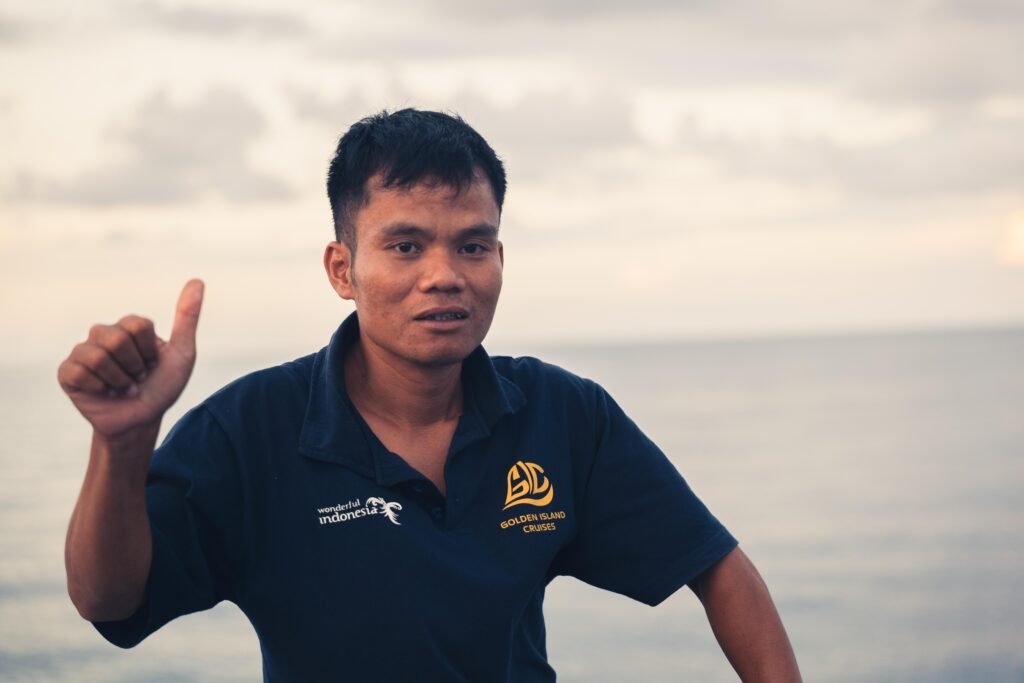
Although often overlooked, the boat crew plays a crucial role in emergency response, especially during sea-related incidents.
Yes, Komodo guides and rangers are trained for emergencies, but their training focuses on prevention, situational awareness, and first response, rather than advanced medical care.
Komodo National Park rangers receive training related to:
Komodo dragon behavior and warning signs
Safe trekking routes and restricted areas
Crowd control and visitor safety
Basic first aid and injury response
Emergency evacuation procedures
Rangers are trained to identify dangerous situations before they escalate, which is the most effective form of safety in a wildlife environment.
Licensed local guides are trained to handle common tour-related emergencies such as:
Heat exhaustion and dehydration
Slips and minor hiking injuries
Seasickness and panic attacks
Snorkeling-related issues
Coordinating emergency evacuation with boat crew and authorities
It is important to understand that tour guides are not paramedics, but they act as first responders until further help is available.
For day trips and liveaboard tours, the boat crew is essential in emergency preparedness.
Professional tour operators train their crew to handle:
Man-overboard situations
Rough sea and sudden weather changes
Fire safety on board
Emergency navigation
Radio communication with Labuan Bajo port authorities
Reputable Komodo tour boats are equipped with:
Life jackets
First aid kits
Emergency communication devices
Clear safety briefings before departure
Contrary to common fears, serious emergencies are rare. The most common situations include:
Dehydration due to heat
Mild heat stroke
Seasickness
Slipping during hikes
Anxiety or panic during snorkeling
Komodo dragon attacks are extremely rare and usually occur when visitors:
Ignore ranger instructions
Walk without supervision
Enter restricted areas
This is why guided tours and ranger supervision are mandatory.
From a European traveler’s perspective, Komodo National Park is considered safe when visited responsibly.
However, travelers should understand:
Komodo is a remote destination
Hospitals are limited and far away
Emergency evacuation takes time
Because of this, safety in Komodo relies heavily on:
Prevention
Clear rules
Professional guiding
Responsible behavior from visitors
Yes. Travel insurance is strongly recommended for all visitors to Komodo National Park.
Insurance should cover:
Medical emergencies
Evacuation
Adventure activities (snorkeling, trekking)
Most reputable tour operators will encourage or require travel insurance, especially for liveaboard trips.
To ensure safety, travelers should ask tour operators the following questions:
Are guides licensed and experienced?
Is a park ranger included during Komodo Island trekking?
Does the boat carry first aid and safety equipment?
How are emergencies handled?
What is the evacuation procedure?
Transparent operators will answer these questions clearly and confidently.
Yes, guides and rangers in Komodo National Park are trained for emergencies, especially those most likely to occur. Their training focuses on prevention, safety management, and first response rather than advanced medical treatment.
For travelers, the key to a safe Komodo experience is:
Following ranger and guide instructions
Being aware that Komodo is a remote wilderness area
With proper preparation, a Komodo tour is not only safe but also one of the most rewarding wildlife experiences in the world.
Is Komodo National Park Limited to 1,000 Visitors Per Day, and Padar Only 50? Home Over the past few weeks,...
How Much Is the Komodo Tour from Lombok? Complete 4D3N Price Guide by Kompass Komodo Home One of the most...
Why You Should Book Your Komodo Boat Trip with Kompass Komodo? Home Choosing a Komodo boat trip is not only...